

 Child Psych Podcast Episode #153
It’s becoming more common for schools to turn on a movie during lunchtime — a way to keep kids quiet, calm, and entertained. But what feels like a harmless tradition may actually be taking away something precious: time for connection, conversation, and social learning.
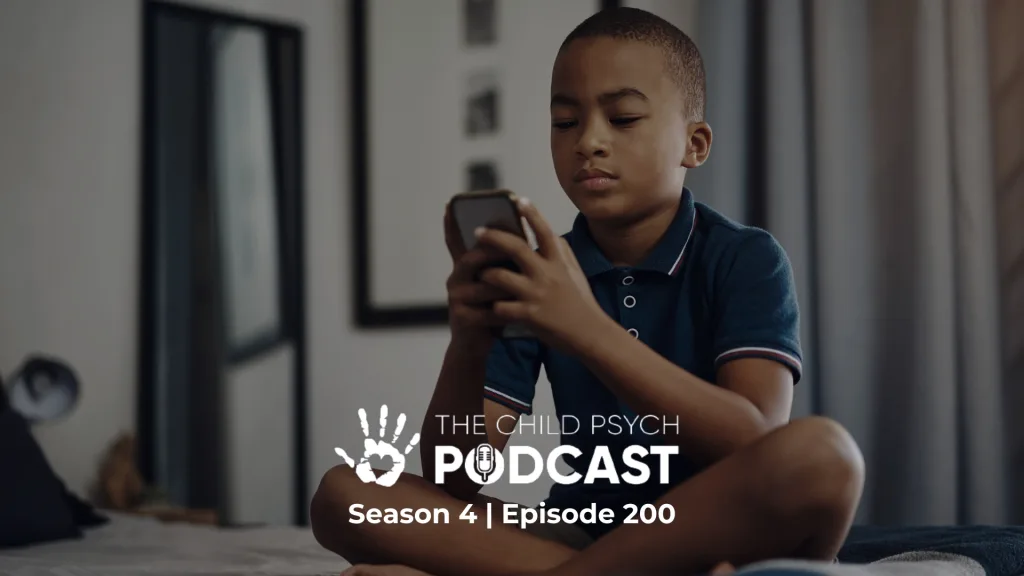
In this episode of The Child Psych Podcast, Tania and Tammy explore how this growing trend affects children’s mental health, social development, and even their eating habits — and what we can do about it.
The Growing Trend of Screens at School
Across Alberta and beyond, more teachers are showing movies or TV during lunch to manage large, noisy classrooms. With teacher burnout, oversized classes, and student behavior challenges, it can feel like an easy solution. But screens are no longer just a rainy-day treat — for many kids, they’re now part of the daily school routine.
Early Exposure Adds Up Quickly
The average child is exposed to screens as early as four months old, and by elementary school, daily screen time often reaches four to five hours. Much of that still comes from television — not just phones or tablets. When screens appear before school, at lunch, and again at home, those small moments add up to big developmental losses.
What Kids Lose When Screens Replace Social Time
At the Institute of Child Psychology, we’re not anti-screen — we’re pro-connection, pro-play, and pro-relationship.
Screens at lunch rob children of the very things that fill their emotional “buckets.” Research shows that screen-free mealtimes help kids:
- Strengthen empathy and communication skills
- Develop emotional regulation and resilience
- Build vocabulary and confidence
- Experience lower rates of anxiety and depression
When a screen takes center stage, children miss the small, beautiful moments of laughter, eye contact, and belonging that teach them how to be human.
Lunchtime Is a Classroom Too
Lunch is one of the few unstructured times in a school day. It’s where kids practice starting conversations, resolving conflicts, and navigating friendships without adult direction. When those minutes are replaced by a movie, children lose opportunities to develop critical social intelligence — especially quieter kids who need that gentle push to connect.
Screens and Eating Habits Don’t Mix
When children watch a screen while eating, their awareness of hunger and fullness fades. Research shows they are 15% more likely to struggle with weight concerns and may over- or under-eat because they’re distracted. Eating with screens also limits mindful awareness — they don’t notice the taste, texture, or satisfaction of food, which can disrupt digestion and long-term eating patterns.
Bringing It Back Home: The Power of Family Meals
You may not control what happens at school, but you can create change at home. Research consistently shows that shared family meals build resilience, improve mental health, and strengthen connection.
This doesn’t have to mean a perfectly plated dinner every night. Maybe it’s breakfast together before work or weekend pancakes in pajamas. What matters most is sitting down, putting phones away, and saying, “Tell me about your day.”
If you would like some ideas for where to start, check out our Dinner Conversation Starters Printable — filled with 30+ prompts to spark meaningful, playful conversations around the table.
What Parents and Educators Can Do
- Parents: Ask about lunchtime screen policies at your child’s school and share your perspective at Parent Association meetings.
- Educators: Experiment with screen-free lunch days or creative alternatives like drawing, reading, or quiet conversation corners.
- Communities: Support initiatives like Unplugged Canada, which encourage tech to serve a purpose rather than replace human connection.
- The Bigger Picture
Technology is here to stay, but it doesn’t need to lead our children — we do. Every time we protect a small moment of connection, whether it’s a family meal or a screen-free school lunch, we remind our kids that presence matters more than pixels.









Comments are closed.