


Child Psych Podcast Episode #184
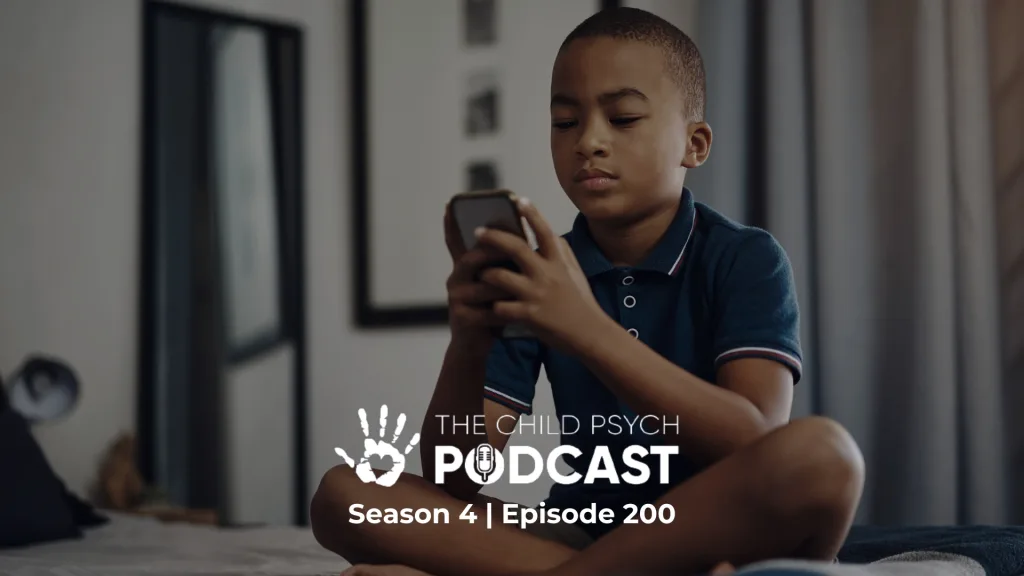
In Part 1 of this powerful conversation on the Child Psych Podcast, Tammy Schamuhn sits down with Michaeleen Doucleff to unpack what dopamine really does in the brain, and why modern screens, social media, video games, and ultra-processed foods can feel almost impossible for children (and adults) to resist. Based on her groundbreaking book Dopamine Kids, this conversation challenges many of the common myths parents have heard about dopamine and addiction.
About the Guest
Michaeleen Doucleff is a science journalist, global parenting researcher, and New York Times bestselling author of Hunt, Gather, Parent and Dopamine Kids. With a PhD in chemistry and years spent translating neuroscience and health research for NPR, Doucleff brings a deeply practical and evidence-based perspective to parenting in the digital age. Her work focuses on helping families understand children’s behavior, motivation, emotional needs, and the modern environments shaping their brains.
Introduction to the Conversation
Many parents today feel overwhelmed by screen time battles, emotional meltdowns after devices are removed, and children who seem constantly drawn toward video games, social media, junk food, or endless scrolling. This episode explores why those struggles are not simply about “bad behavior” or lack of willpower. Instead, they may reflect how modern technology and ultra-processed foods are intentionally designed to hijack the brain’s dopamine system.
Throughout the conversation, Tammy and Michaeleen explain that dopamine is not actually the brain’s “pleasure chemical,” as many people believe. Instead, dopamine is more closely connected to motivation, craving, and the feeling of “wanting more.” This shift in understanding changes how parents can approach screen addiction, emotional regulation, food struggles, and family routines.
What We Discuss in This Episode
This episode dives into the neuroscience of dopamine and how companies use behavioral psychology, game design, social media algorithms, and ultra-processed foods to keep children engaged and wanting more. Tammy and Michaeleen discuss how apps, video games, notifications, scrolling, and highly processed foods exploit the brain’s natural survival systems by triggering constant seeking behavior without providing true satisfaction or emotional fulfillment.
The conversation also explores why screens and social media often leave children feeling lonelier, more dysregulated, and less fulfilled despite the intense pull toward them. Parents will hear practical insights into why video games and social media can become so sticky, how dopamine “magnets” work, and why today’s digital environment is fundamentally different from anything previous generations faced.
Tammy and Michaeleen also discuss how environmental design matters more than willpower, why family routines shape behavior, and how simple changes like removing screens from bedrooms or creating shared screen spaces can dramatically reduce addictive patterns.
What You’ll Learn
- Why dopamine is more about craving and motivation than pleasure
- How video games, social media, and ultra-processed foods hijack the brain’s reward system
- Why children often feel worse emotionally after excessive screen use
- How loneliness, belonging, adventure, and purpose drive many screen-related behaviors
- Simple ways parents can create healthier screen environments at home
Who This Episode Is For
This episode is especially valuable for parents, caregivers, educators, therapists, and mental health professionals supporting children and teens in today’s digital world. If you are struggling with screen time battles, emotional meltdowns around devices, gaming addiction concerns, food struggles, or questions about dopamine and child development, this conversation offers both science-backed insight and compassionate, practical guidance. It is also highly relevant for anyone interested in parenting, emotional regulation, child mental health, and raising resilient children in the age of screens and ultra-processed foods.









Comments are closed.