
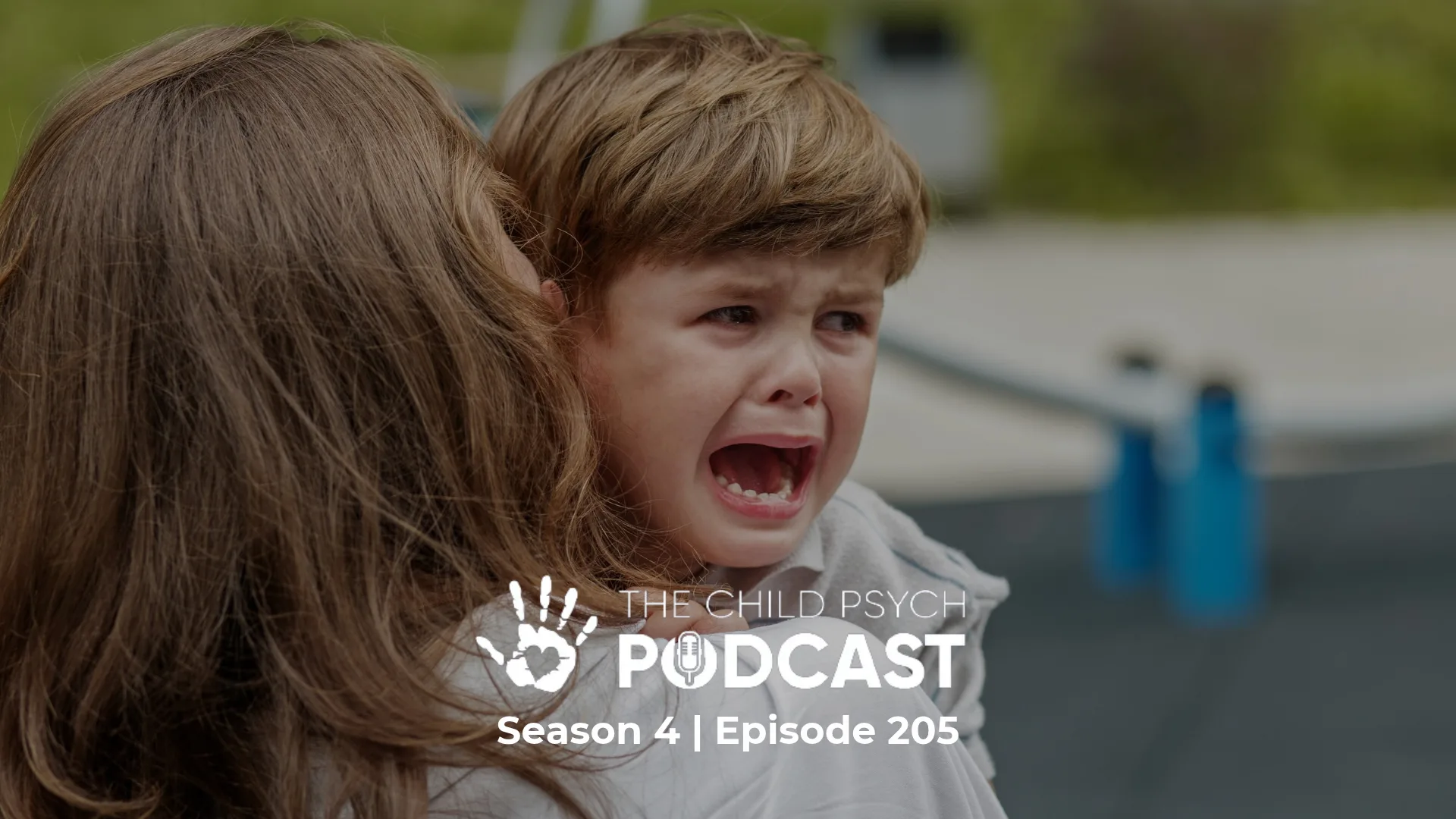
 Child Psych Podcast Episode #205
In this episode of The Child Psych Podcast, registered psychologists, play therapists, and co-founders of the Institute of Child Psychology, Tammy Schamuhn and Tania Johnson, explore one of the most common parenting frustrations: why children seem perfectly behaved at school or with others but have emotional meltdowns at home. Drawing on their clinical experience and personal experiences as mothers, they offer compassionate, practical parenting strategies.
Introduction to the Conversation
Does your child hold it together all day at school, only to fall apart the moment they get home? You’re not alone.
Many parents wonder why their children behave beautifully for teachers, grandparents, and other caregivers but struggle with emotional regulation at home. While this can feel frustrating and confusing, there’s often an important reason behind these challenging behaviours.
In this episode, Tammy and Tania explain how emotional safety, attachment, and nervous system regulation influence children’s behaviour and why home often becomes the place where big feelings finally come out.
What We Discuss in This Episode
Children spend much of their day managing expectations, navigating social situations, following rules, and regulating their emotions. By the time they return home, their emotional resources may be depleted.
Tammy and Tania explore why children often release these accumulated emotions with the adults they trust most. They discuss how after-school meltdowns, emotional exhaustion, unmet connection needs, and family routines can contribute to challenging behaviour.
They also emphasize that being your child’s safe place doesn’t mean allowing hurtful behaviour. Healthy boundaries, emotional connection, and consistent expectations work together to help children develop emotional regulation skills.
What You’ll Learn
- Why children melt down at home: Understanding the connection between emotional safety, attachment, and challenging behaviour.
- How to recognize behavioural patterns: Identifying triggers such as transitions, fatigue, disconnection, and overstimulation.
- Ways to support emotional regulation: Using connection, play, movement, and downtime to help children decompress.
- The importance of parental responses: How your tone, body language, and emotional availability influence your child’s behaviour.
- How to balance empathy with boundaries: Validating big feelings while maintaining healthy expectations and limits.
Who This Episode Is For
This episode is for parents, caregivers, educators, and child mental health professionals who want to better understand children’s emotional meltdowns and challenging behaviours. Whether you’re navigating after-school restraint collapse, emotional outbursts, or everyday parenting struggles, this conversation offers practical strategies for building connection, supporting emotional regulation, and creating a more peaceful home.
Want to Go Deeper?
If conversations like this leave you wanting to better understand what’s happening underneath your child’s emotions and behaviour, join us for the FREE ICP Children’s Mental Health + Parenting Summit, November 16–19, 2026.
We’re bringing together leading voices in parenting and children’s mental health for four days of practical, research-informed conversations about anxiety, big feelings, behaviour, trauma, attachment, screens, resilience, and so much more.
Registration is free—come learn with us and discover practical tools to help the children in your life thrive.









Comments are closed.