
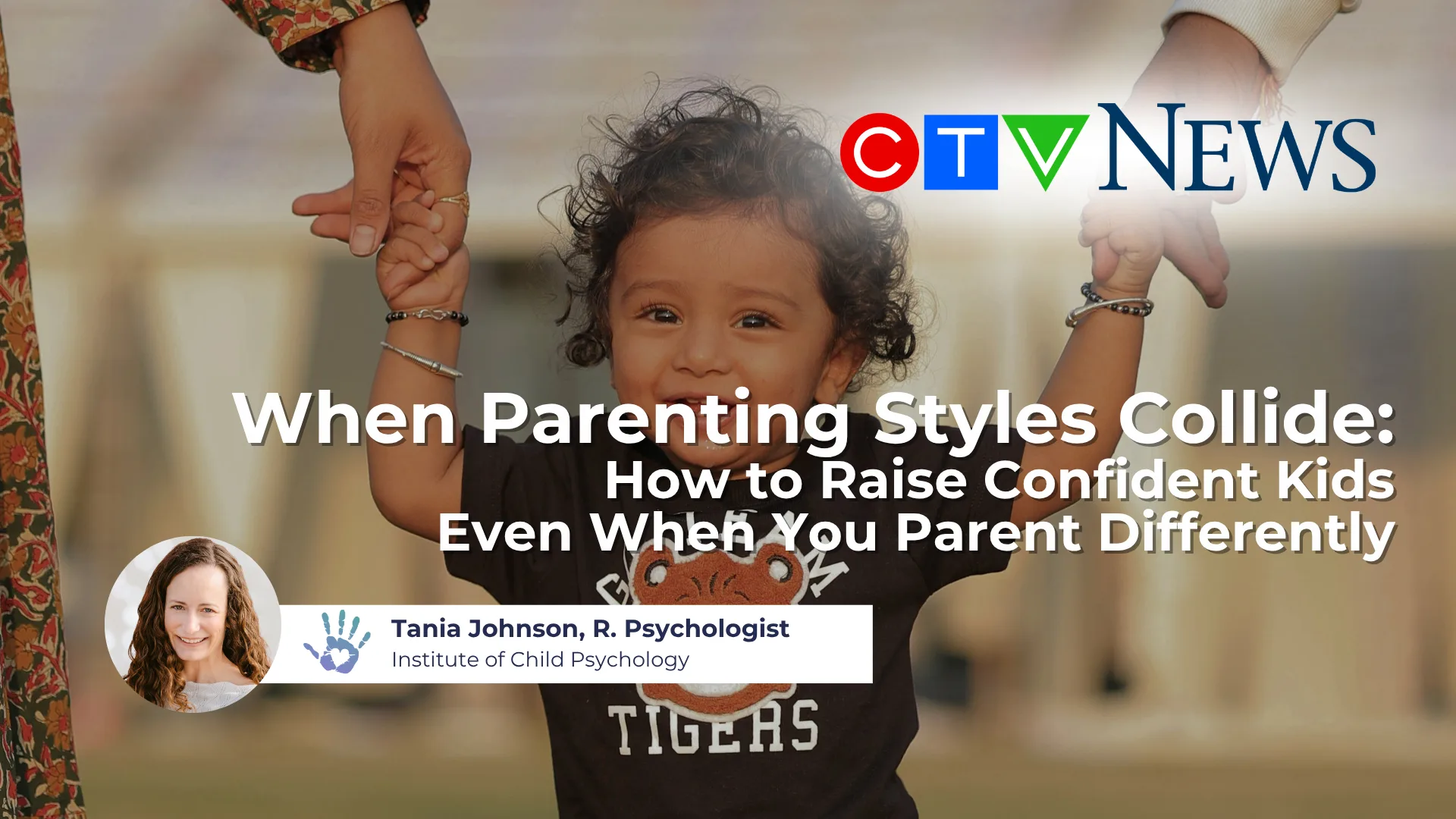
When Parenting Styles Collide:
How to Raise Confident Kids Even When You Parent Differently
“We’re not usually arguing about bedtime or screen time. We’re arguing about what we believe our child needs.”
Every parent has been there.
One parent wants to step in with comfort. The other believes it’s time for a consequence.
One sees disrespect.
The other sees distress.
The behavior is the same, but the story each parent tells themselves is completely different.
It’s one of the most common challenges families face, and it doesn’t mean your relationship is broken. In fact, parenting differences are incredibly normal. What matters most isn’t that you agree on every decision. It’s that your child experiences both warmth and leadership from the adults they depend on.
Parenting Differences Usually Come From Love
Many couples assume they’re fighting about discipline.
They’re not.
More often, they’re fighting because each parent is trying to protect something deeply important.
Perhaps one parent grew up in a home where rules were inconsistent, so they value structure and accountability.
The other may have experienced criticism or emotional distance growing up, so they instinctively prioritize connection and emotional safety.
Neither parent is wrong.
They’re simply responding to different internal “parenting alarms.”
Understanding this can completely change the conversation.
Instead of asking, “Who’s right?”
Ask,
“What are each of us trying to protect?”
The Behaviour Is the Same. The Story Is Different.
Imagine your child refuses to put away their toys.
One parent thinks:
“They’re being disrespectful.”
The other thinks:
“They’re overwhelmed.”
Same child.
Same moment.
Two completely different interpretations.
Our reactions aren’t driven only by our child’s behaviour. They’re shaped by our own experiences, values, fears, and beliefs.
When parents recognize this, conflict becomes curiosity instead of criticism.
Start With Your Shared Values
Before discussing consequences or strategies, step back and ask a much bigger question.
What kind of adult are we trying to raise?
Most parents quickly discover they actually agree on the important things.
They want their child to become:
- Kind
- Respectful
- Responsible
- Honest
- Resilient
- Compassionate
Those are your parenting compass.
Once you know your destination, there are often many healthy ways to get there.
Getting stuck arguing over how usually means you’ve forgotten why.
Children Don’t Need Perfect Parents
They need parents who work as a team.
That doesn’t mean agreeing on every consequence or every bedtime routine.
It means showing your child that the adults in their life respect one another, even when they disagree.
One of the greatest gifts you can give your child is seeing healthy conflict resolution.
Children learn relationships not from perfection, but from repair.
Don’t Put Children in the Middle
One of the most important rules when parenting styles differ is this:
Never ask your child to choose sides.
Avoid conversations like:
- “Go ask your dad.”
- “Your mom always says yes.”
- “Don’t tell your father.”
When children become the referee between parents, they carry a burden they were never meant to hold.
Disagreements should happen privately whenever possible.
Children need to see their parents as a united leadership team, even if those conversations behind closed doors aren’t always easy.
High Warmth. High Leadership.
Today’s parents receive more parenting advice than any generation before them.
Many are exhausted.
Some worry that setting firm limits will damage the relationship.
Others worry that too much empathy creates entitlement.
The reality is that children need both.
High warmth and high leadership.
Warmth says:
“I understand your feelings.”
Leadership says:
“I’m still going to help you make safe and healthy choices.”
Children flourish when they experience both connection and clear boundaries.
It’s not one or the other.
It’s both.
Predictability Creates Security
One of the simplest ways parents can reduce conflict is by creating predictable family rhythms.
Children don’t need rigid schedules.
They need routines they can count on.
Simple anchors like consistent mealtimes, bedtime routines, weekend traditions, or after-school rituals help children know what comes next.
Predictability calms the nervous system and reduces many behaviour challenges before they even begin.
Different Doesn’t Mean Damaging
Children actually benefit from experiencing different strengths in different caregivers.
One parent may naturally encourage adventure.
Another may excel at emotional conversations.
One might be playful.
The other highly organized.
These differences become strengths when they’re connected by shared values and mutual respect.
The goal isn’t identical parenting.
The goal is raising children who feel safe, loved, and guided.
The Takeaway
Every family experiences parenting disagreements.
What matters most is remembering that you’re on the same team.
When you stop asking, “Who’s right?” and start asking, “What are we trying to teach?”, everything changes.
Your child doesn’t need perfect agreement.
They need adults who lead with connection, communicate with respect, and stay focused on the bigger picture.
Because at the end of the day, parenting isn’t about winning arguments.
It’s about raising children who feel deeply loved while learning how to become capable, resilient adults.
Final Thought
The strongest families aren’t the ones who never disagree.
They’re the ones who remember that their relationship is the child’s greatest source of security. When parents stay connected to each other, even through differences, children learn one of life’s most valuable lessons: people can disagree with love, respect, and compassion.








Comments are closed.